NAVAL GROUP
75732 PARIS CEDEX 15

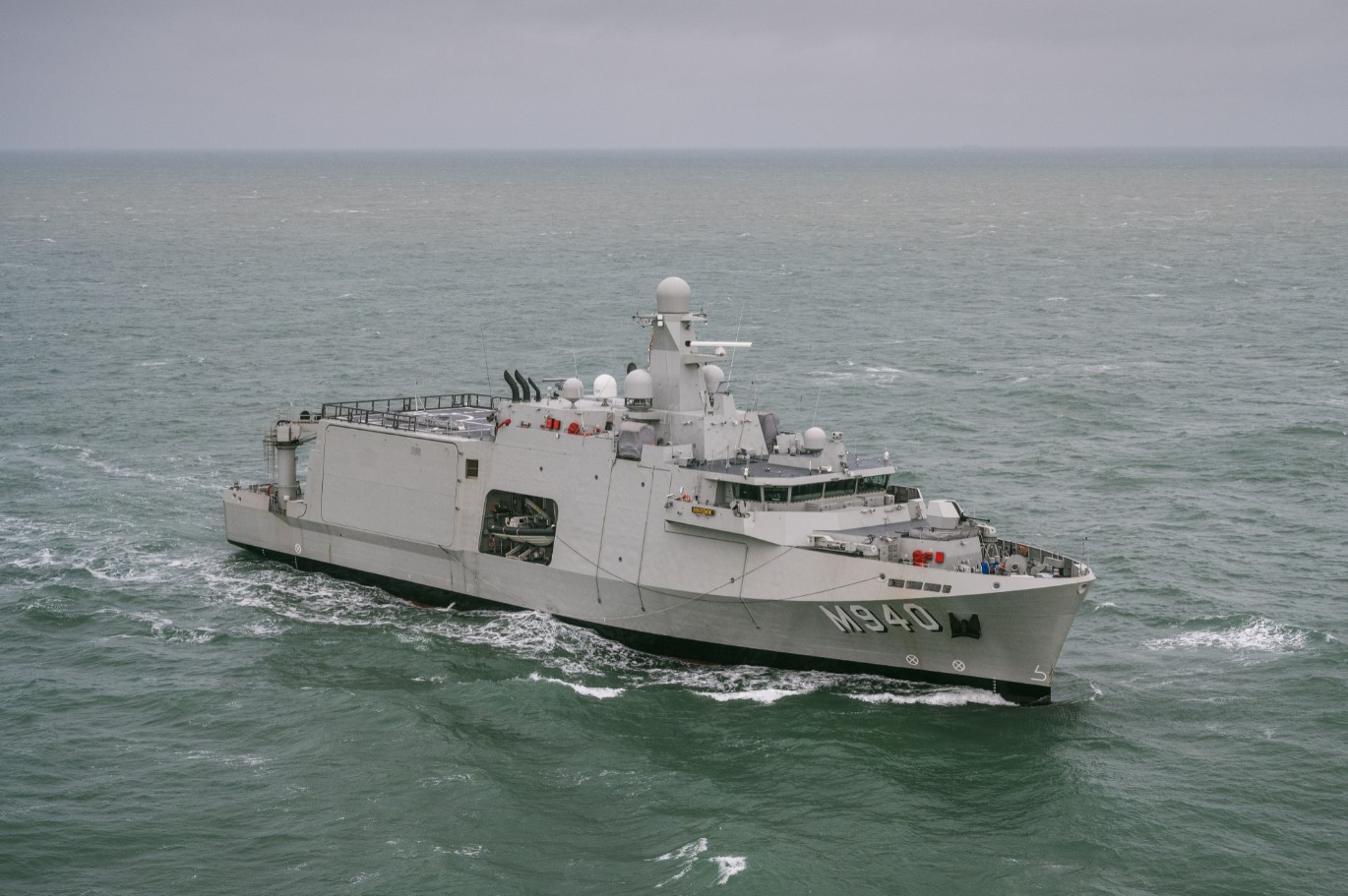
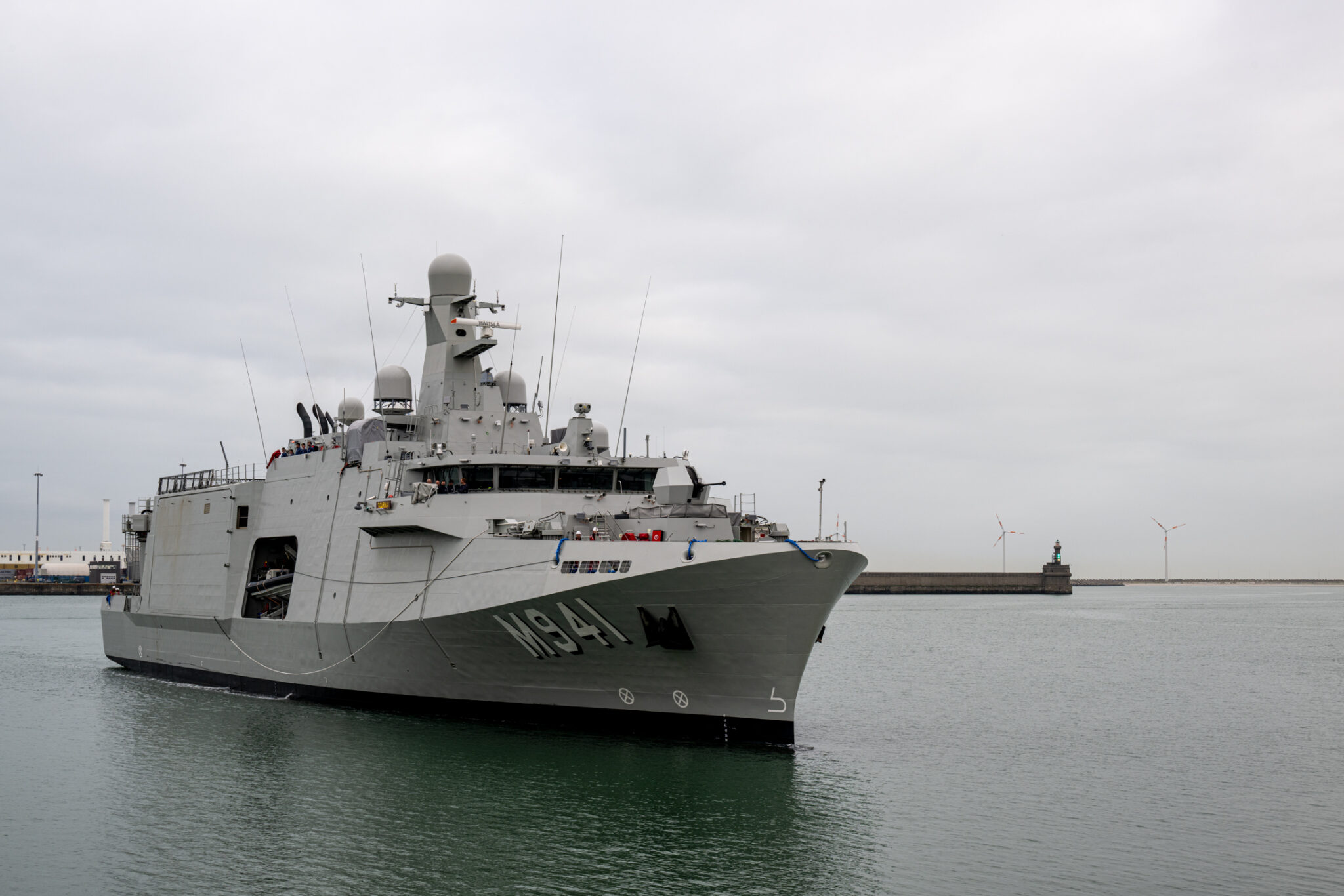
As an international naval defence player, Naval Group is a partner for countries seeking to maintain control of their maritime sovereignty. Naval Group develops innovative solutions to meet its customers’ requirements. The group is present throughout the entire life cycle of vessels. It designs, produces, equips, integrates, supports and upgrades submarines and surface ships, as well as their systems and equipment, right up to the final phases of deconstruction and dismantling. Naval Group’s unique know-how in autonomous systems, underwater weapons and drones place it in pole position to become European leader in the sector. As a high-tech company, it draws on its outstanding expertise, unique design and production resources and ability to establish strategic partnerships, in particular within the framework of transfers of technology. It also provides shipyard and naval base services. The group generates revenue of 4.679 billion euros and has 17,170 employees (figures as on 31 December 2025)
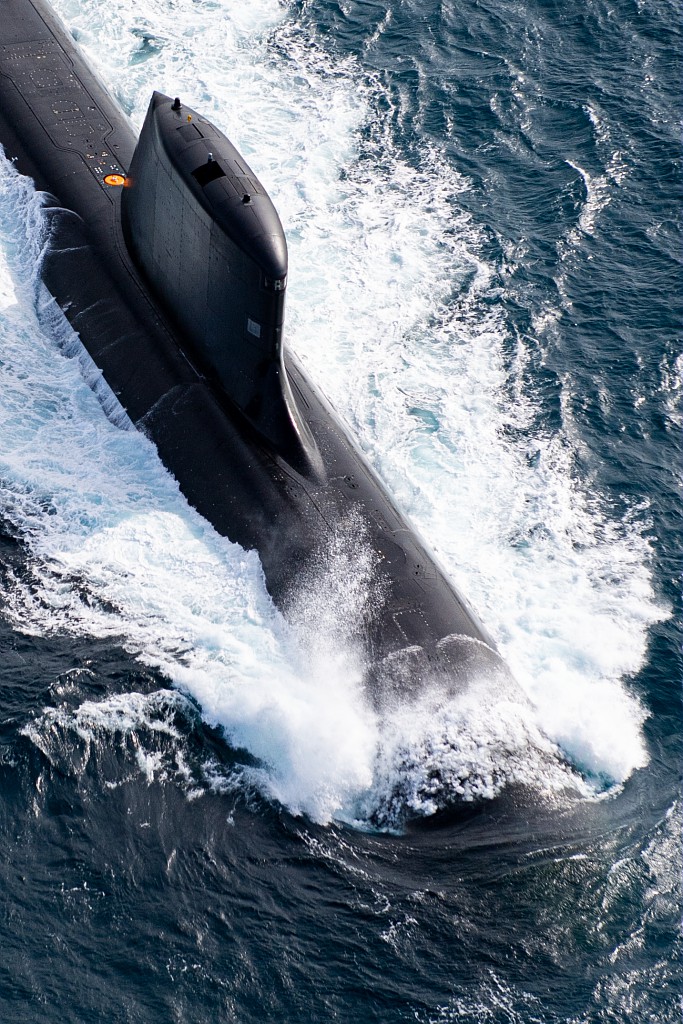
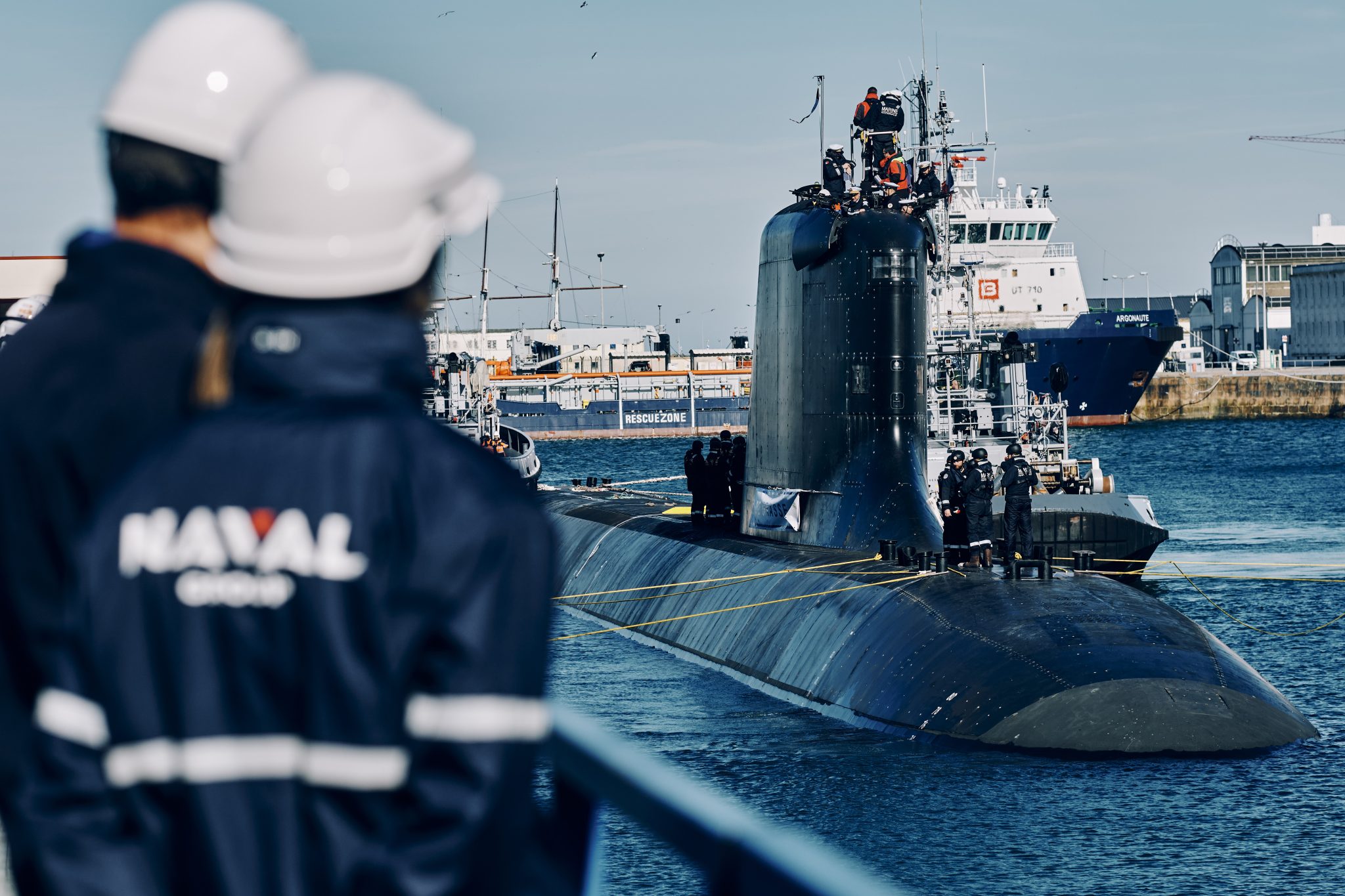
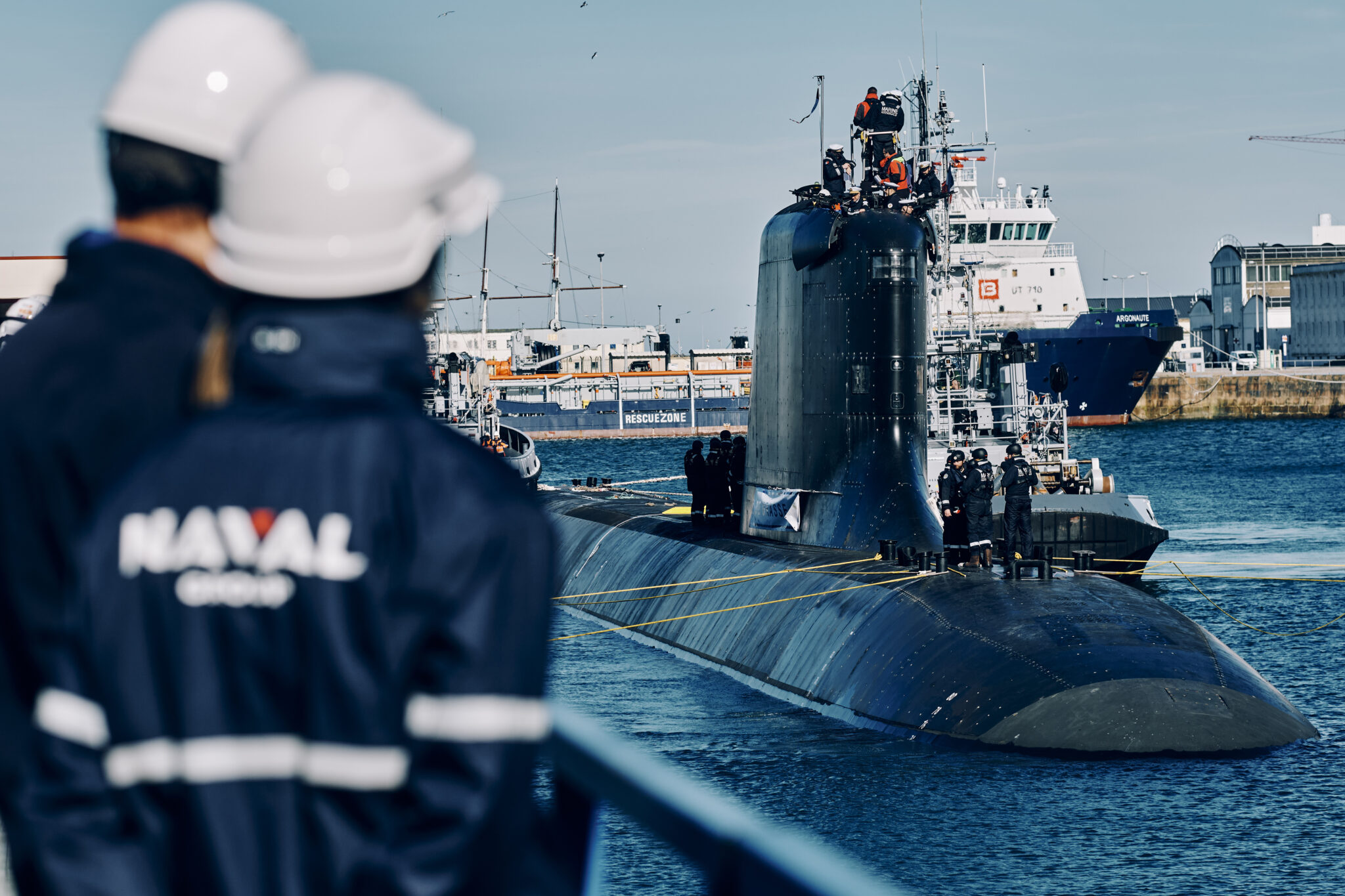
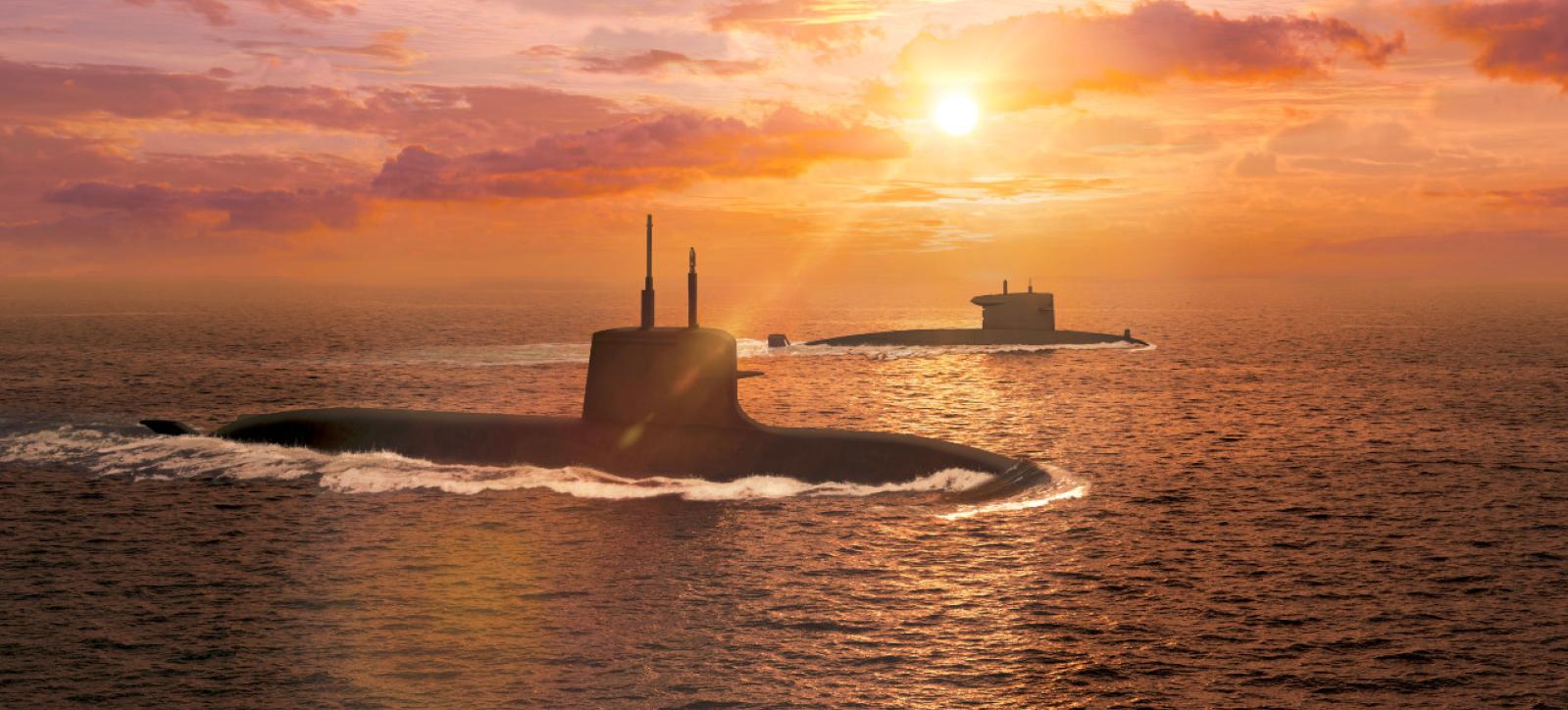
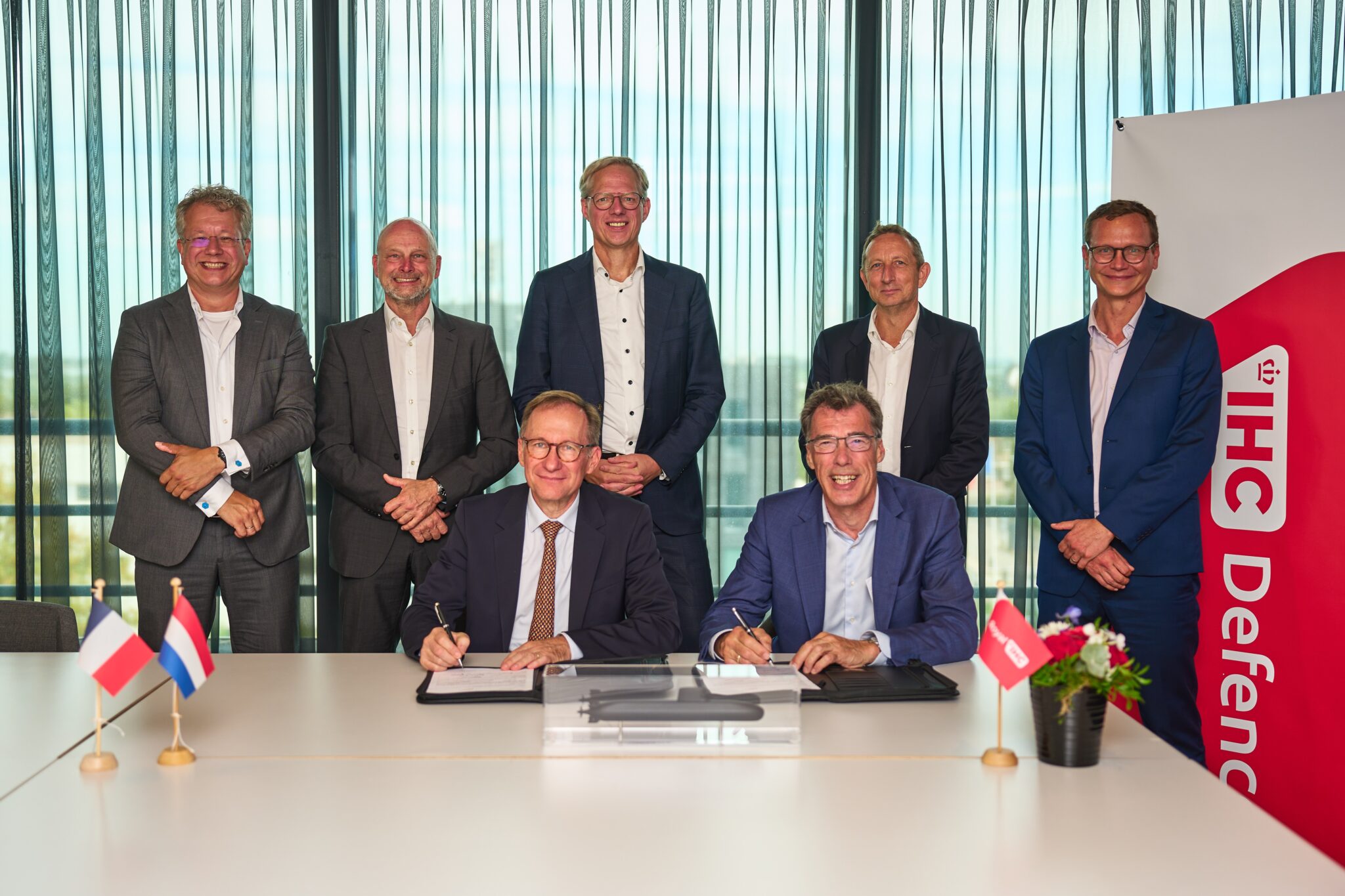
The Barracuda programme is delivering the French Suffren-class nuclear-powered attack submarines, which are replacing the previous Rubis-class nuclear-powered attack submarines. These submarines incorporate the very latest innovations and offer extended operational capabilities, including special operations and deep-strike capabilities against land targets. Within the Barracuda family, the Blacksword is the conventionally powered variant currently being built for the Dutch Navy.
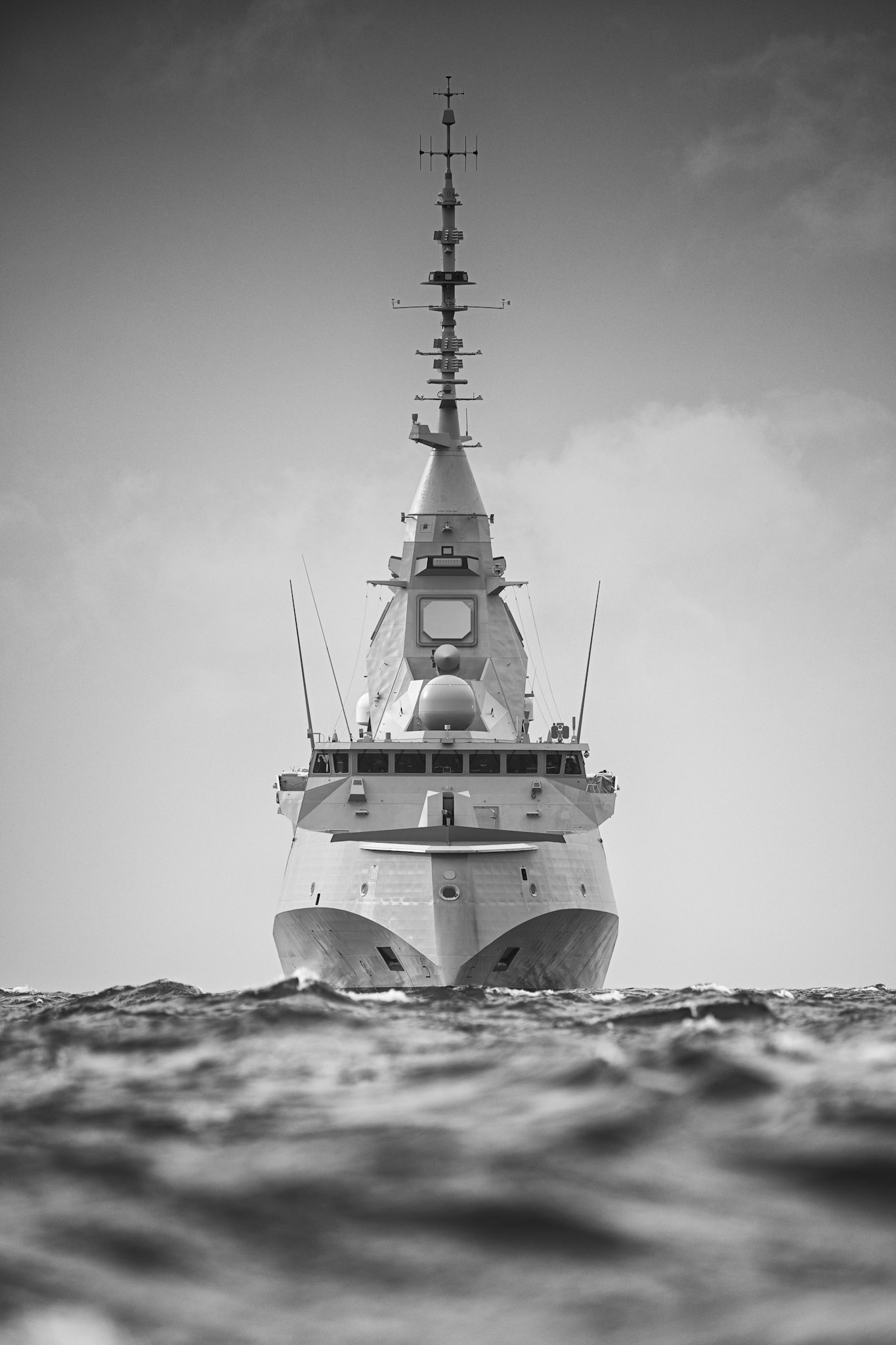
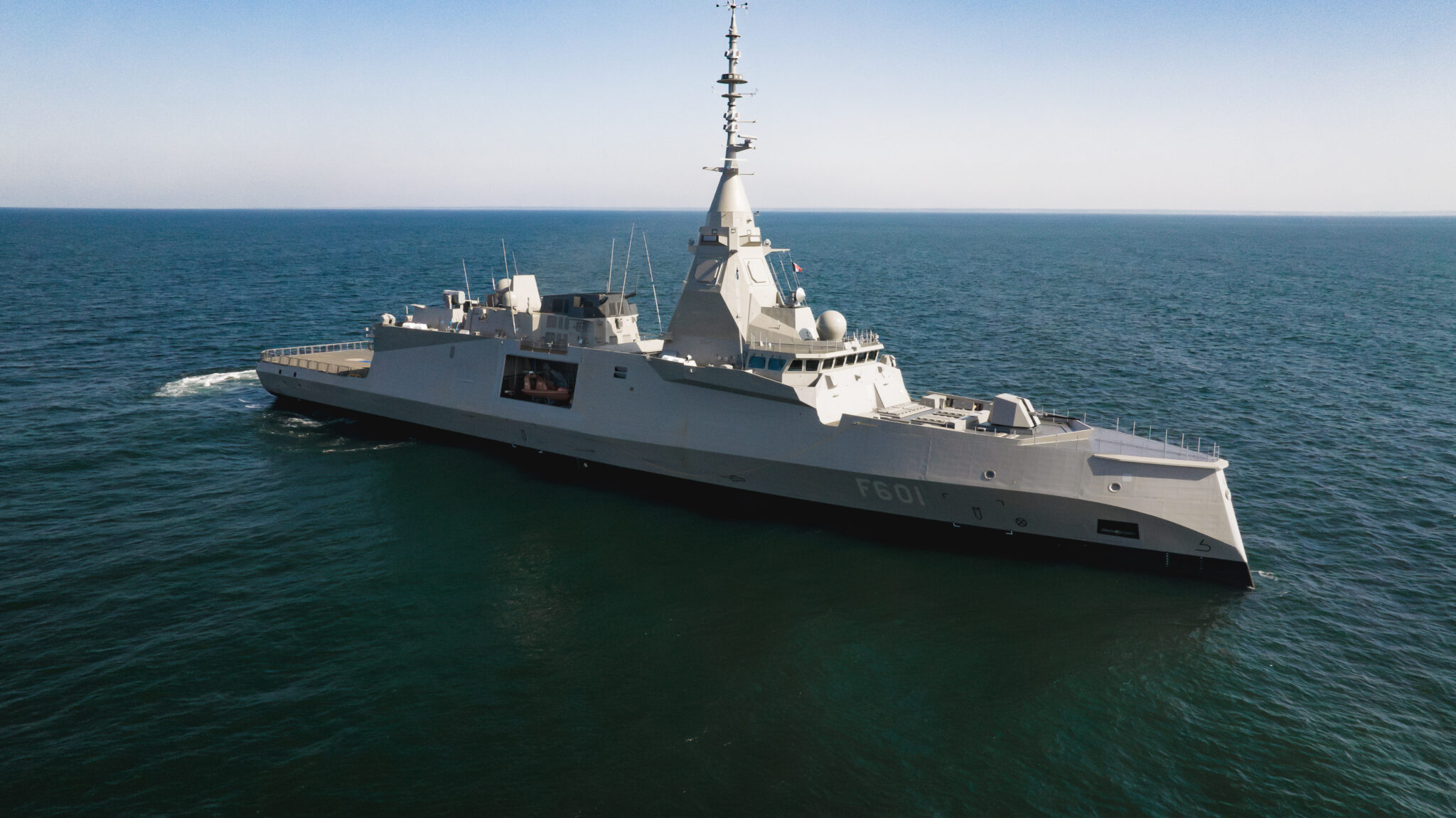
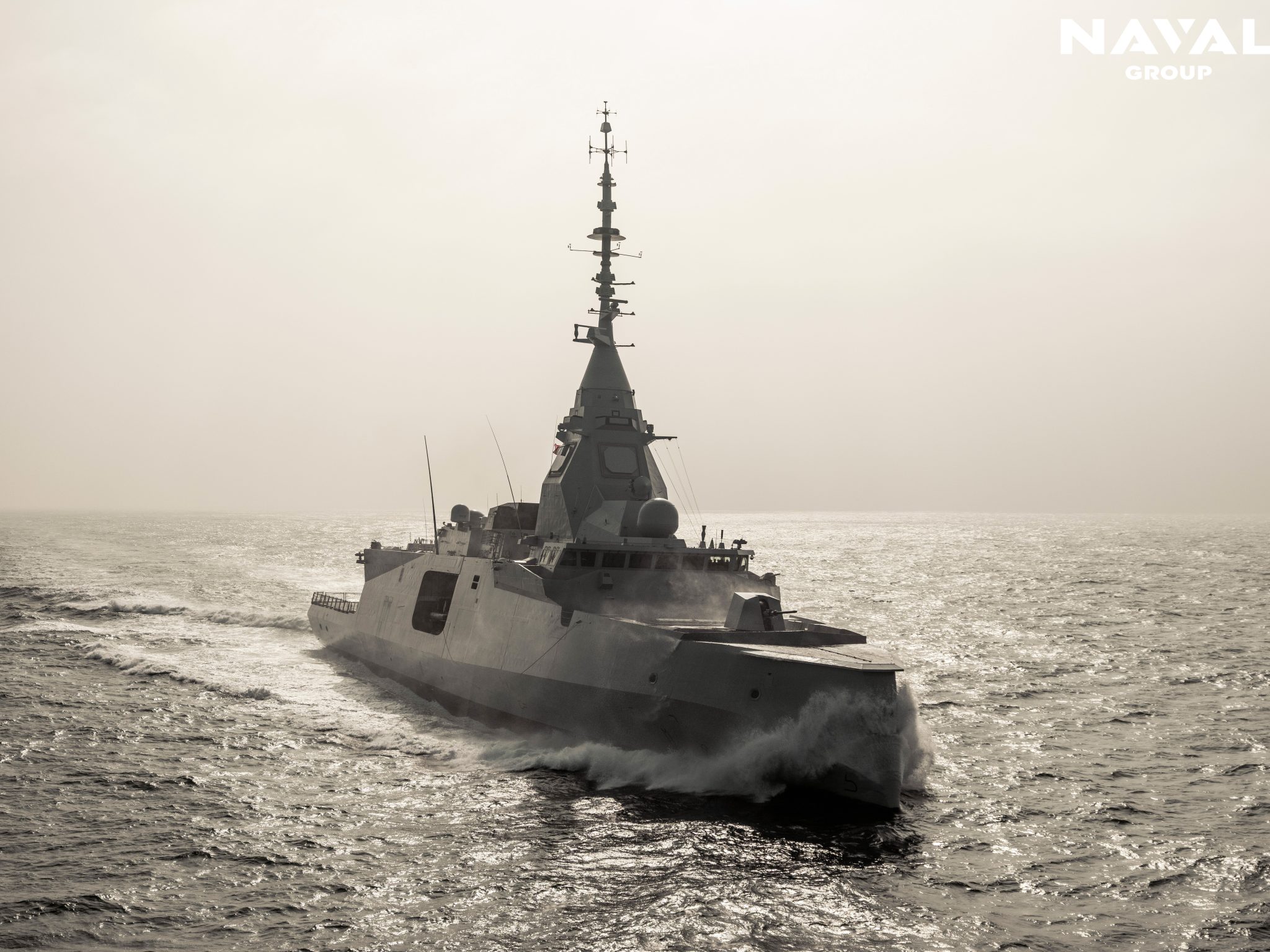
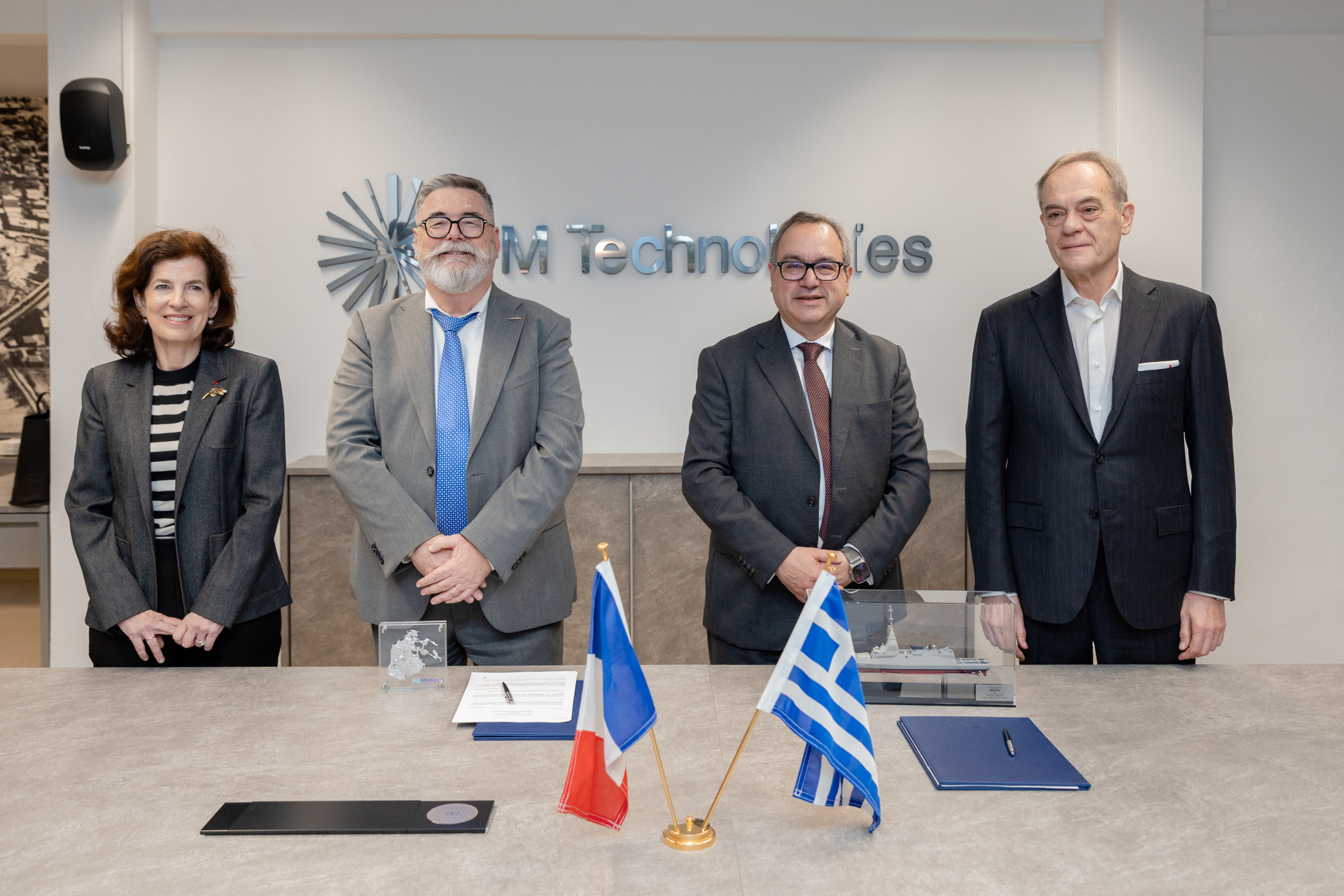
A 4,600-tonne multi-role first-class frigate, the FDI incorporates state-of-the-art anti-submarine warfare capabilities, as well as enhanced self-defence capabilities and special forces projection capabilities. Thales’ new Sea Fire flat-panel radar, coupled with MBDA’s Aster 30 missiles, extends its air coverage. The FDI frigate benefits from the very latest digital technologies, including, in particular, a state-of-the-art combat system. This enables faster tactical analysis, decision-making and the deployment of weapons. The integration of the latest digital technologies ensures the ship’s adaptability throughout its service life, enabling the incremental modernisation of information processing systems to adapt to changes in the operational environment, future threats and the use of drone systems.
A 4,600-metric-tonne multi-role first-class frigate, the FDI incorporates state-of-the-art anti-submarine warfare capabilities, as well as enhanced self-defence capabilities and special forces projection capabilities. Thales’ new Sea Fire flat-panel radar, coupled with MBDA’s Aster 30 missiles, extends its air coverage. The FDI frigate benefits from the very latest digital technologies, including, in particular, a state-of-the-art combat system. This enables faster tactical analysis, decision-making and the deployment of weapons. The integration of the latest digital technologies ensures the ship’s adaptability throughout its service life, enabling the incremental modernisation of information processing systems to adapt to changes in the operational environment, future threats and the use of drone systems.
Aucun média trouvé pour cet adhérent
 Aménagement de locaux/Protection & détection incendie
Assurance/Formations
Chantier de réparation navale
Electronique/Moyens de test
Électrotechnique/Propulsion
Génie climatique/ Ventilation & chauffage/Réfrigération industrielle
Ingénierie
IT/Télécom/Cybersécurité
Levage/Logistique/Achats
MCO/Systemes d'armes
Peinture/Carénage
Procédés industriels
Refit/Transformation/Équipements
Robotique/Cobotique/Drones de maintenance
Aménagement de locaux/Protection & détection incendie
Assurance/Formations
Chantier de réparation navale
Electronique/Moyens de test
Électrotechnique/Propulsion
Génie climatique/ Ventilation & chauffage/Réfrigération industrielle
Ingénierie
IT/Télécom/Cybersécurité
Levage/Logistique/Achats
MCO/Systemes d'armes
Peinture/Carénage
Procédés industriels
Refit/Transformation/Équipements
Robotique/Cobotique/Drones de maintenance
As an international player in naval defense and heir to French naval know-how, Naval Group partners its customers in controlling their maritime sovereignty.
Present throughout the entire ship lifecycle, it designs, builds, integrates and maintains submarines and surface ships in service, along with their systems and equipment, right through to dismantling.
Naval Group is an international player in the naval defense sector, and a major player in French naval know-how.
Industrial prime contractor, designer and integrator of armed ship assemblies and naval systems, Naval Group is the European leader in naval defense. From its 10 production sites in France and its international subsidiaries, each expert in a key part of the naval defense and maritime security value chain, Naval Group builds a unique offering of products and services tailored to the challenges faced by its customers.
Among the solutions offered by Naval Group, I4®SAFE SAR module, in service in the CROSS system in France and overseas, coordinates all nautical and air rescue operations in all SAR zones under French responsibility. In 2019, it enabled 12,507 operations to be carried out and 22,025 lives to be saved.
 Concepteur, design, ingénierie, réglementation
 Équipements et logiciels embarqués pour l'autonomie
 Équipements LARS, mise en oeuvre et docking
 Intégrateur système d'ensemble capacitaire
 Plateformes et vecteurs physiques
 Systèmes de mission (C2 / C3, etc.)
Naval Group supports navies in the integration of drones into their forces by offering autonomous systems and their integration into naval operations.Our portfolio of drone and autonomous systems is structured around four product lines that evolve through an incremental approach: initial capabilities that quickly deliver operational value and are capable of further development. Designed for missions that contribute to maritime domain awareness and naval combat, the autonomous systems produced or integrated by Naval Group—whether surface, aerial, or underwater—complement the operations of ships and aircraft by carrying out a wide range of missions, from intelligence gathering to anti-submarine warfare to denying access to certain areas.Steeris, Seaquest, Seagent, and Sealken are our product lines designed to address the challenges of collaborative combat faced by our naval customers.
As an international naval defence player, Naval Group is a partner for countries seeking to maintain control of their maritime sovereignty.
Present throughout the entire life cycle of vessels, Naval Group designs, produces, equips, integrates, supports and upgrades submarines and surface ships, as well as their systems and equipment, right up to the final phases of dismantling and deconstruction.
Steeris : systèmes et intégration des drones aux forces navales
STEERIS ON BOARD
Notre solution d’autonomie décisionnelle contrôlée (ADC®) Steeris On Board permet de rendre un drone autonome et intégrable dans une force navale. Elle garantit le respect d’un cadre et d’une doctrine définis par un opérateur humain. Steeris On Board est le « cerveau embarqué » des systèmes autonomes navals.
STEERIS MS
Steeris MS (pour Mission System) gère la mission de bout en bout de tout drone ou système autonome intégré à une force navale. Il est interfacé au Combat Management System (CMS) du navire, au sein du combat collaboratif naval. Son interface est simple d’utilisation et ne nécessite qu’un seul opérateur pour la planification, la supervision et la restitution de mission.
STEERIS COMMAND
Steeris Command est une solution conteneurisée compacte, déployable à terre ou sur un navire d’opportunité (civil ou militaire), et destinée à mettre en œuvre et gérer la mission d’un ou plusieurs drones. Véritable central opérations pour drone, cette solution intègre les systèmes de communication et de cybersécurité, et Steeris MS.
Seagent : drones sous-marins
SEAGENT M
Le Seagent M est un système autonome sous-marin embarquable sur sous-marin et navire de surface ou déployable depuis la terre, destiné à des missions d’entraînement, de surveillance ou de renseignement en surface ou sous la mer. Son architecture modulaire lui permet d’intégrer plusieurs types de charge utile et d’atteindre des performances d’endurance, de vitesse et de manœuvrabilité adaptées aux missions qu’il doit réaliser.
SEAGENT XL
Le Seagent XL est un système autonome sous-marin de combat pouvant être mis en œuvre depuis un quai ou depuis un navire de surface. Sa longue endurance et sa discrétion lui permettent d’opérer en toute autonomie en milieu hostile. Les nombreuses charges utiles qu’il embarque en font un multiplicateur de force au sein d’une flotte pour des missions offensives et défensives.
Seaquest : drones de surface
SEAQUEST S
Capables d’opérer seuls ou en essaims et solution nativement embarquable sur navire de surface, les systèmes autonomes de surface multirôles de la gamme Seaquest S sont l’extension des capacités opérationnelles d’un navire ou d’un dispositif de surveillance maritime. Cette famille de produits au format Small (de 6,5 à 12,5 mètres) est développée et commercialisée par Sirehna, filiale de Naval Group.
SEAQUEST M ET L
Seaquest M (de format 15 à 50 mètres) et Seaquest L (de format supérieur à 50 mètres) sont les systèmes autonomes de surface destinés à des missions de longue endurance, seuls ou en accompagnement d’un navire habité. Prédisposés au combat, ils représentent un multiplicateur de force au sein d’un groupe naval.
Sealken : segment bord
SEALKEN U-DOCK
Le système de docking pour drones sous-marins.
SEALKEN S-DOCK
Le système de docking pour drones de surface.
SEALKEN A-DOCK
Le système de docking pour drones aériens.
Naval Group’s Center of Excellence for Drones, Autonomous Systems, and Underwater Weapons in La Londe-les-Maures: a unique and innovative facility designed to support the Group’s ambitions and meet the needs of its customers:
The site’s main objectives are to reindustrialize this facility—which has been idle for more than 30 years—in accordance with the highest environmental standards, strengthen our competitiveness, and enhance our appeal and collective efficiency.
By the end of 2027, this project will bring together teams from Naval Group, our customers, and our partners at a single site. It calls for the transfer of the Group’s drone, autonomous systems, and underwater weapons operations. Beyond the relocation of teams and their operations, the site will enable us to evolve our work methods in both service and production activities.
The choice of architectural design reflects this commitment by creating a modern industrial facility with a functional work environment, designed to foster creativity, collaboration, new ways of working, and efficiency.
The center of excellence will include a sea-based testing facility open to startups, small and medium-sized enterprises (SMEs), mid-sized companies, and major partner groups.
https://www.naval-group.com/en/drones
Chantiers intégrateurs
Nucléaire
Naval Group s’inscrit dans une démarche d’éco-conception et éco-construction
BlueShip
Naval Group exploite l’énergie nucléaire dans sa version compacte et mobile pour propulser ses sous-marins
Optimisation architecture
Naval Group is committed to eco-design and eco-construction. Life-cycle analysis of ships makes it possible to study and improve the environmental impact of its main vessel types. Naval Group has published the results of the carbon footprint ratios over the life cycle of its FREMM, Gowind, Scorpene, and Barracuda products
Energy optimization and eco-design are driven by the Blue Ship program, which aims to anticipate future defense challenges while improving environmental performance at sea through the use of new, more energy-efficient technologies.
Naval Group devotes a significant portion of its operations to energy management, with the goal of designing and building more energy-efficient ships without sacrificing combat capabilities or the ability to protect the maritime areas under its defense through its BlueShip program. They are exploring the integration of new energy sources and developing hybrid electric systems.
Naval Group uses compact, mobile nuclear power to propel its submarines. This energy feat provides nearly unlimited energy autonomy, not only to power the submarine’s propulsion and onboard weapons, but also to producebreathing air and recycle the crew’s CO₂, supply the vessel with water through seawater desalination, and provide electricity for day-to-day operations.
The use of nuclear energy therefore offers a high power-to-cost ratio for the necessary operations. The use of SMRs (Small Modular Reactors) in warships is a decarbonization strategy being studied by several nations, including France, to produce more energy that is lower in carbon and better controlled, by leveragingextensive current knowledge of nuclear energy.
Naval Group has begun recycling and reusing more than 550 metric tons of material from the dismantling site of the SSBN Le Foudroyant, a project launched in September 2021 in Cherbourg.
The Blue Shark, the latest concept ship for an eco-designed flagship combat vessel that incorporates some twentypromising eco-technologies (including hybrid propulsion and energy management powered by artificial intelligence), was unveiled at the 2022 Euronaval exhibition. These improvements are expected to reduce the ship’s CO2 emissions and energy consumption by a factor of three.
The LeanWarShip program is an onboard energy management system. The goal is to manage the amount of energy required for operations and to assist the crew in power management. The crew member can prepare a mission order on the platform in advance to determine, based on their objectives, the preventive measures needed to optimize available energy. During the operation, various parameters modeling the environment can be adjusted to make the best decisions regarding energy management.
The results of this application will greatly benefit the design of future ships, particularly as they become more complex in terms of power supply (recharging drones, powering electric weapons).
The Nuward project, led by EDF, Edvance, TechnicAtome, Naval Group, the CEA, Framatome, and Tractebel, aims to mass-produce a small nuclear reactor generating 300 to 400 MW for civilian use. Although Naval Group is involved in the design of the metal containment vessel and in studies on the modularity and industrialization of the compact steam generator, the expertise and knowledge acquired during the development of the Nuward project will contribute to the group’s SMR capabilities.