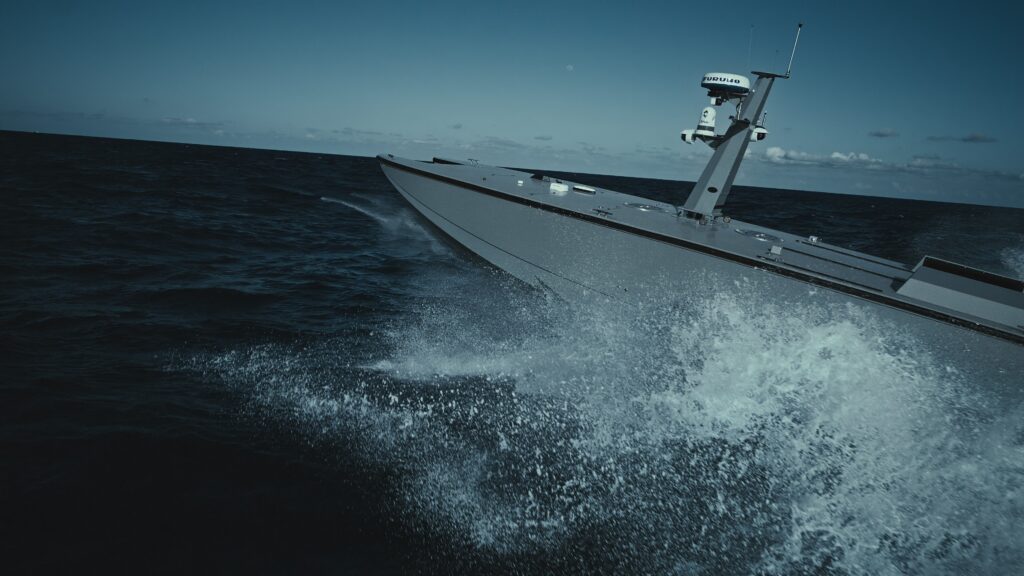
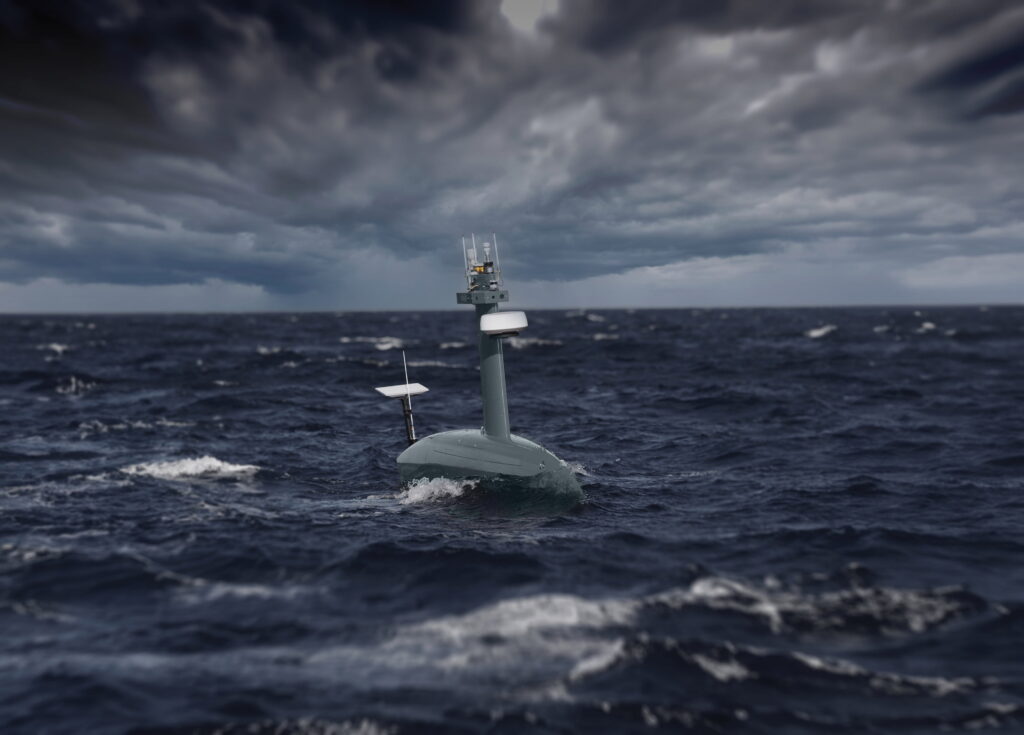
Autonomous navigation: Leading navy selects Exail’s Marins INS for its USV fleet
On October 21, 2026, French defense technology provider Exail announced a major agreement to equip the entire uncrewed surface vessel (USV) fleet of a leading navy with its military-grade Marins inertial navigation systems (INS). This major contract strengthens Exail’s market presence in the rapidly expanding naval robotics sector, where resilient, satellite-independent navigation is a critical prerequisite for deploying reliable autonomous capabilities at scale.
As global navies increasingly integrate USVs alongside conventional crewed combatants to expand operational reach, maintain persistent maritime presence, and minimize personnel risk, ensuring continuous navigation integrity remains a primary engineering challenge. Autonomous platforms rely on navigation data that must remain fully accurate, available, and trusted throughout the mission, enabling vessels to navigate safely and execute complex tasks without real-time human oversight. This operational requirement is particularly acute in high-threat, contested environments where satellite navigation signals (GNSS) are routinely degraded, jammed, or spoofed.
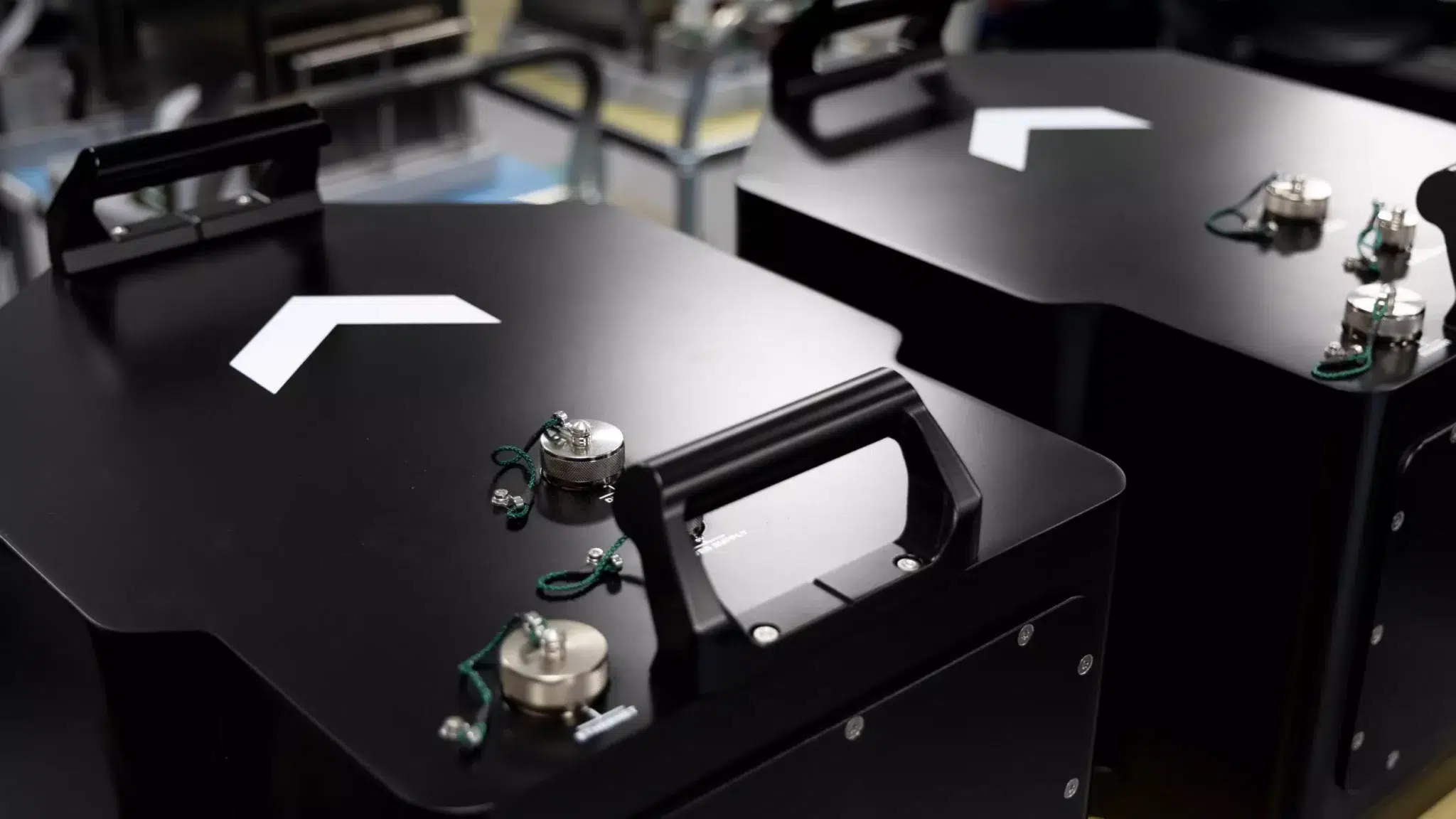
Exail’s Marins INS addresses these operational challenges by delivering precise real-time position, heading, attitude, and velocity data. Powered by Exail’s proprietary Fiber Optic Gyroscope (FOG) technology, the systems maintain full navigation functionality and mission continuity even when GNSS access is severely disrupted. FOG-based sensing offers continuous high-precision measurements without relying on external signals, ensuring complete autonomy for uncrewed platforms.
Field-proven across surface warships, submarines, and subsea systems operated by more than 50 navies worldwide, as well as equipping over 80% of autonomous underwater vehicles (AUVs) and remotely operated vehicles (ROVs) globally, the Marins series delivers established naval-grade performance to new-generation robotic fleets. This contract highlights the growing demand for battle-proven, resilient navigation solutions tailored to the operational constraints of hybrid surface fleets.
Articles récents