SEA.AI integrates machine vision technology onto MARTAC uncrewed surface vessels
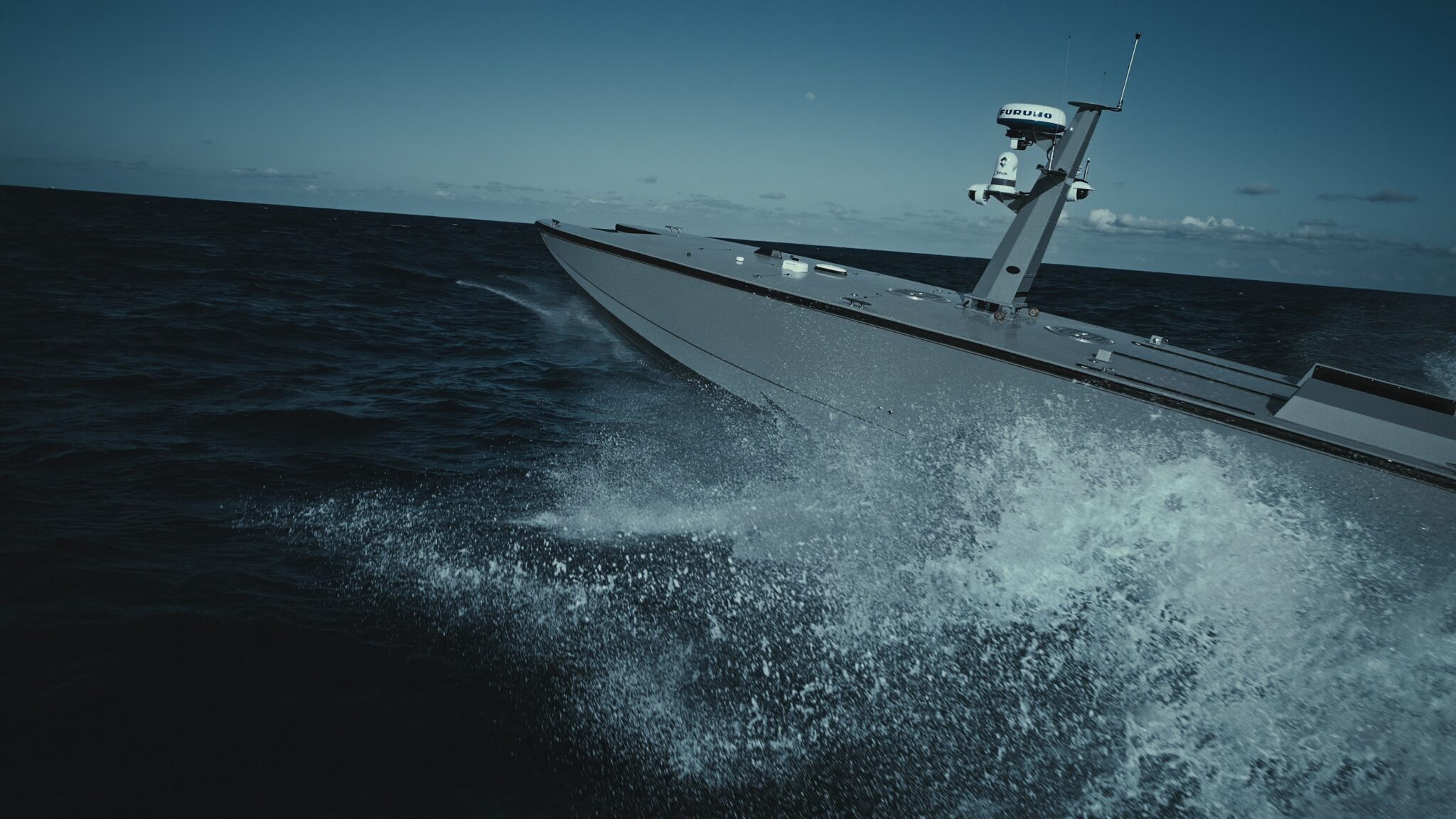
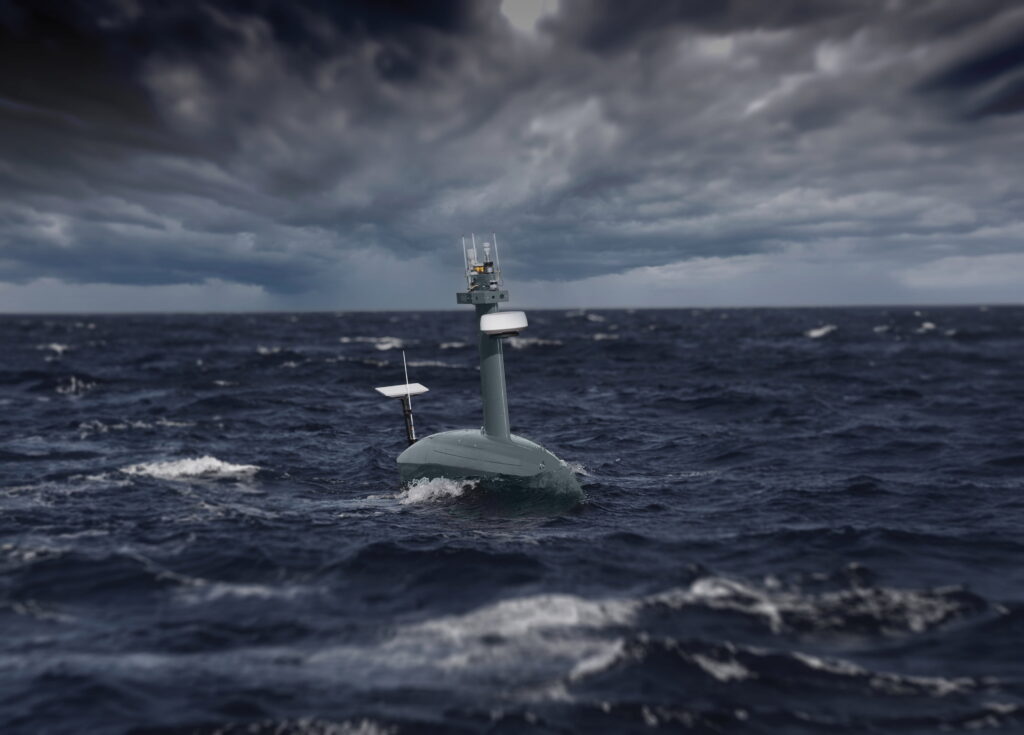
Maritime computer vision specialist SEA.AI has announced the integration of its artificial intelligence technology across the uncrewed surface vessel (USV) portfolio of US manufacturer MARTAC. The partnership aims to provide MARTAC’s autonomous platforms with real-time visual processing for intelligence, surveillance, reconnaissance (ISR), and maritime patrol missions.
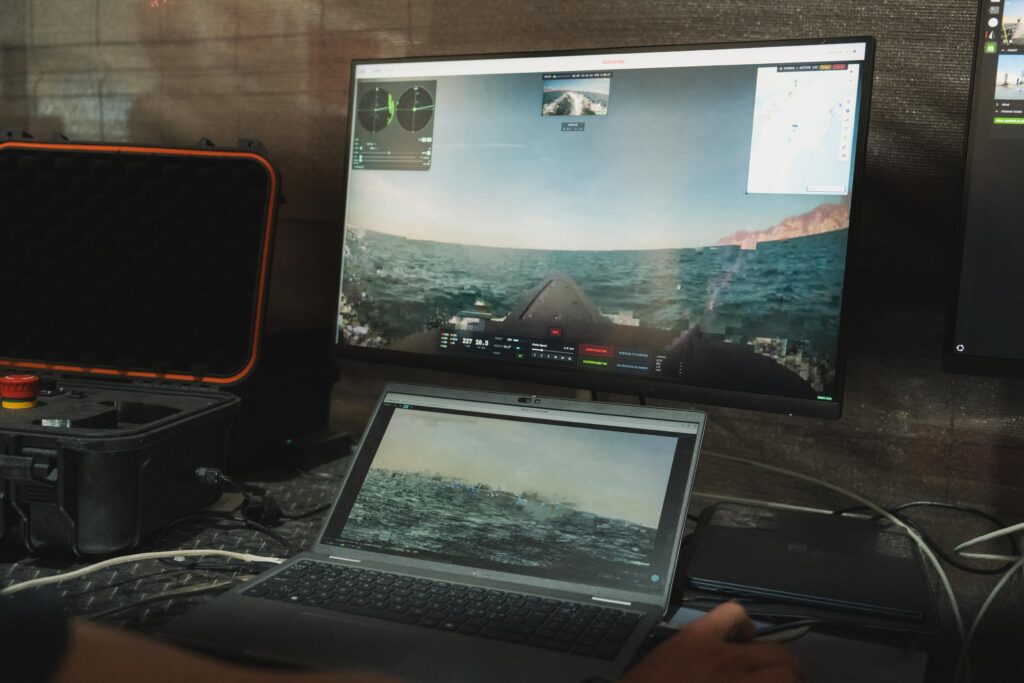
The system combines electro-optical and thermal sensors with AI inference operating directly at the sensor level. Unlike traditional camera feeds that require continuous human monitoring, SEA.AI’s technology processes imagery on board, classifying contacts autonomously. Target classification, heading, and proximity are converted into actionable tactical data rather than raw video streams. This capability allows USVs operating beyond visual range to maintain situational awareness without placing additional data processing demands on remote operators.
This sensor integration addresses long-standing limitations in maritime domain awareness. While radar provides positional coordinates and AIS relies on active, voluntary broadcasting, neither system effectively tracks non-cooperative, unlit, or low-profile targets. The machine vision technology detects and categorizes small craft, dark vessels, and floating hazards that typically bypass conventional sensors, including in low-visibility or high sea-state environments.
The integration spans MARTAC’s scalable line of USVs, including the MANTAS T12, Muskie M18, and the Devil Ray T18, T24, and T38 platforms. The deployment builds on MARTAC’s operational track record, highlighted in May 2026 when a T38 Devil Ray completed an eight-day fully autonomous mission off the California coast, navigating open-ocean conditions over 400 nautical miles from shore without crew intervention. SEA.AI’s technology is currently deployed on over 1 300 systems worldwide across commercial, defense, and security sectors.
Recent Articles