Naval Defence: Computer Vision Becomes Essential for NATO Maritime Drones
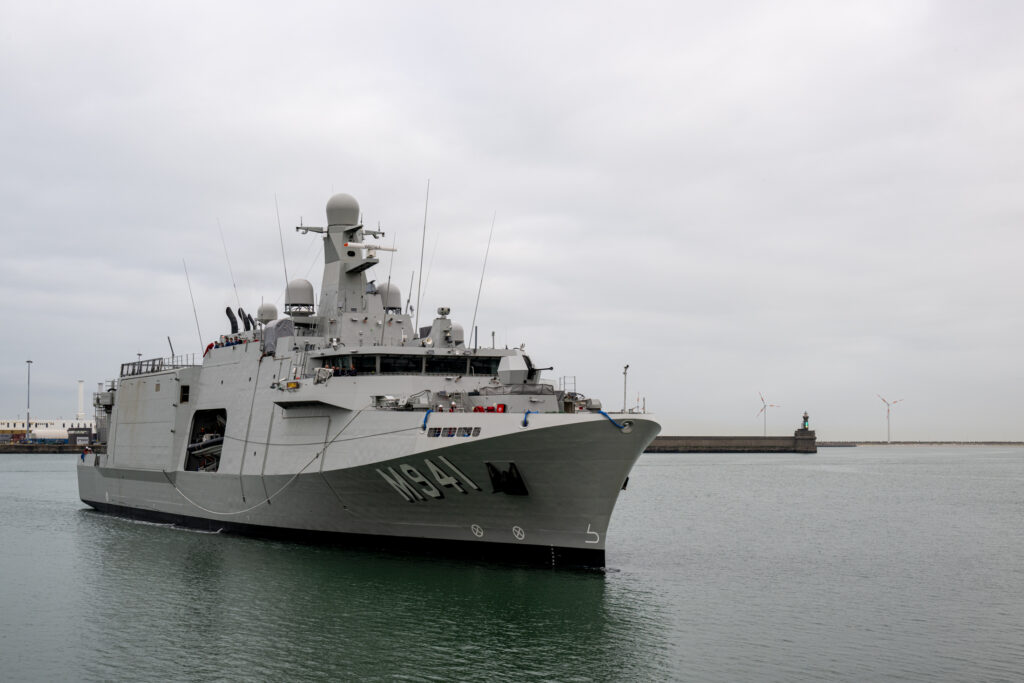
During the 16th edition of the Robotic Experimentation and Prototyping with Maritime Unmanned Systems 2026 (REPMUS), held from August 31st to September 25th in Tróia and Sesimbra, SEA.AI deployed its computer vision technology across a wide range of uncrewed surface vessels (USVs) and support ships. Computer vision has now become a critical sensor given the vulnerabilities of traditional systems.
The goal is to overcome the limitations of radar and GPS, as maritime situational awareness in conflict zones has historically relied on radar and the Automatic Identification System (AIS). However, the modern operational environment challenges these assumptions. Active radar emits signals that reveal a vessel’s position and leave it exposed to electronic jamming. Meanwhile, AIS depends directly on GPS signals (a technology increasingly subject to spoofing in the Mediterranean, the Black Sea, and the Baltic).
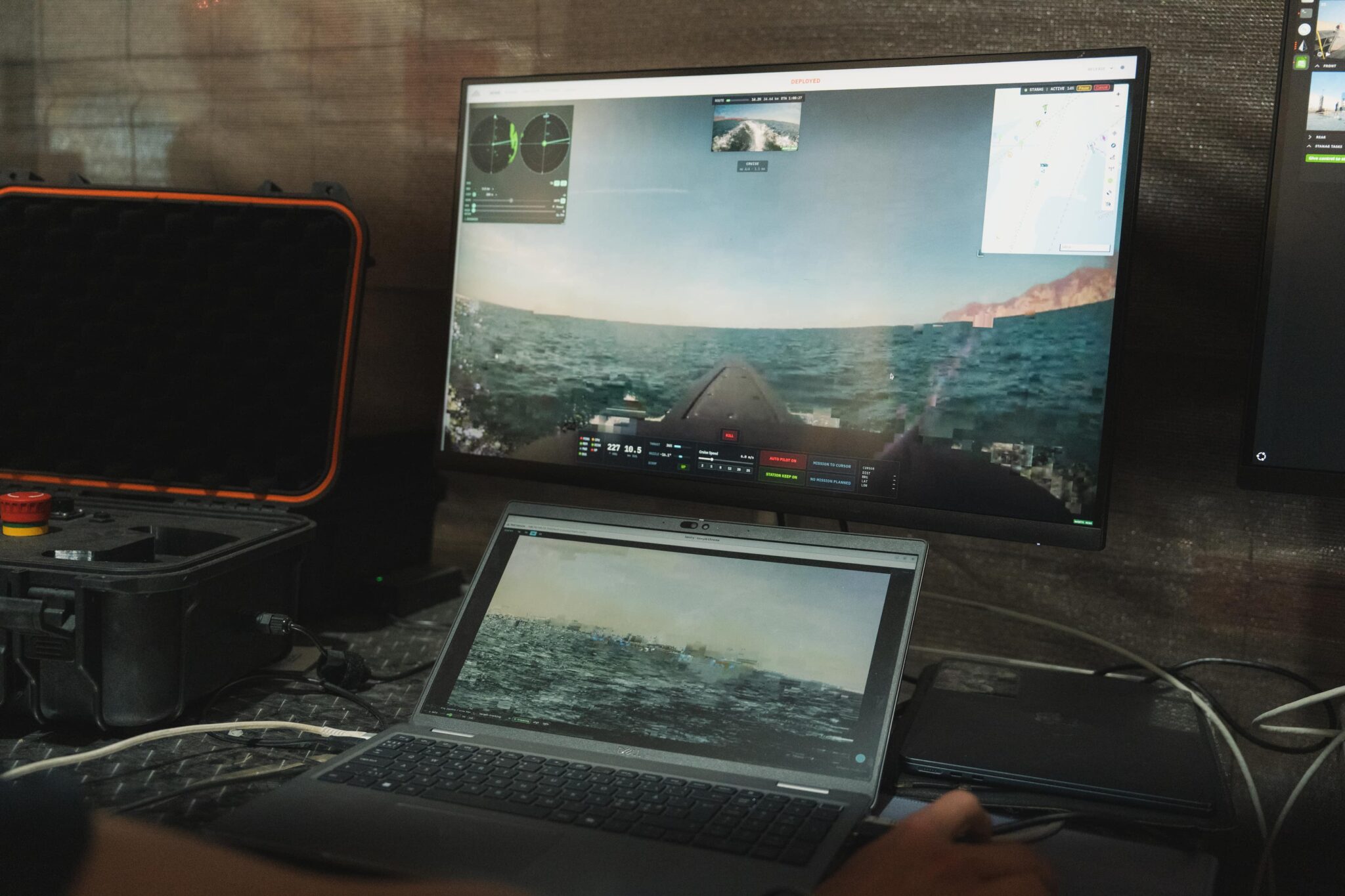
Faced with these threats, AI-powered video analysis offers a complementary solution: a passive surveillance system. By processing camera feeds in real time, the technology identifies unreported craft, light boats, or floating obstacles without emitting any signals and without relying on satellite networks.
The main objective of the trials conducted in Tróia and Sesimbra was interoperability. Rather than developing a proprietary solution for a single manufacturer, SEA.AI tested a universal perception layer capable of adapting to widely differing architectures:
- Industrial platforms : Integration on Maritime Robotics drones and SYOS Aerospace SM300 autonomous vessels.
- Sovereign projects : Deployment on the Shiver USV, designed directly by Portuguese Navy engineers to reduce cognitive workload for command center operators.
- Cost-effective modular fleets : Installation on Polar Mist Technologies platforms, demonstrating the ability to equip low-cost fleets (“affordable mass“) with first-rate day and night ISR capabilities.
By validating these capabilities during a major exercise gathering 36 nations, the naval sector has passed a milestone: computer vision is no longer just an assistance gadget, but a standard for autonomy and security in the conduct of future maritime operations.
Recent Articles